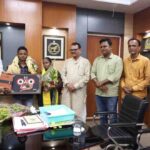

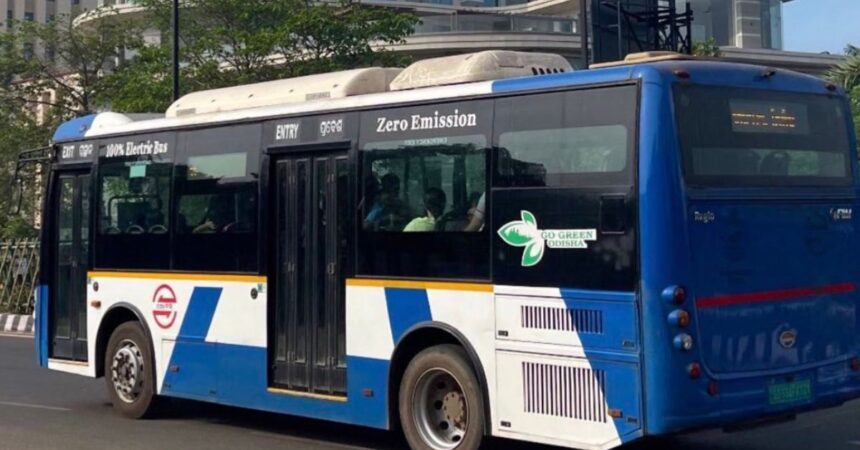
PM e-Bus Sewa in Odisha is now becoming a major step toward cleaner, safer, and smarter public transport. Odisha Cabinet Minister Dr. Krushna Chandra Mahapatra today 21 May 2026 chaired a review meeting of CRUT to speed up the expansion of electric buses under the PM e-Bus Sewa Scheme. The goal is clear: build an eco-friendly transport network that connects more parts of the state, from Keonjhar to Koraput, and improve daily travel for thousands of people.
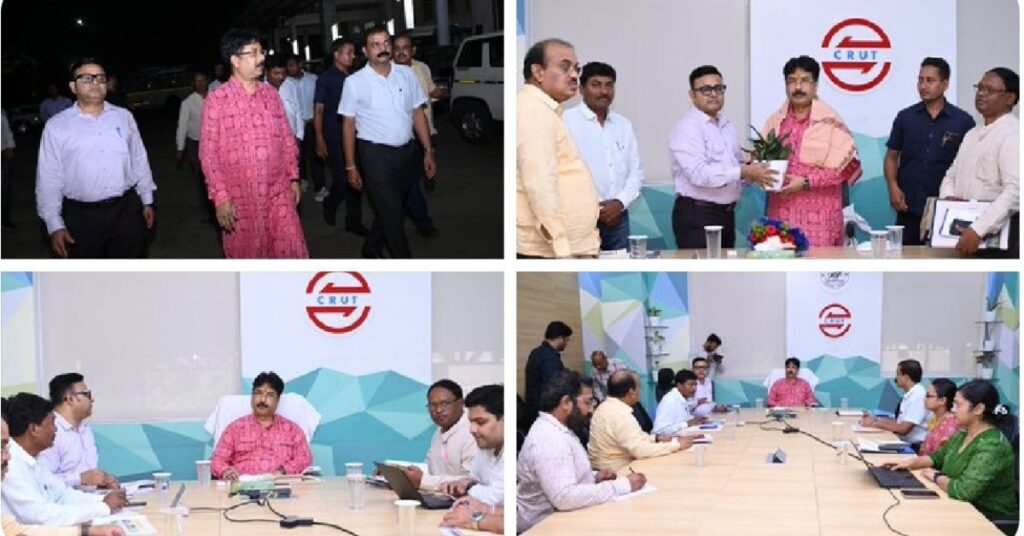
This move is important because public transport is no longer only about buses and roads. Today, people expect safe rides, better connectivity, cleaner air, and modern facilities. Odisha is trying to meet all these needs at once through a well-planned electric mobility strategy.
A Strong Push for Electric Mobility
The PM e-Bus Sewa Scheme is a flagship initiative of the Ministry of Housing and Urban Affairs, launched on 16 August 2023. It aims to improve public transport in small and mid-sized cities across India by introducing electric buses through a Public-Private Partnership model. The scheme focuses on reducing pollution, improving last-mile connectivity, and creating jobs.
In Odisha, this vision is now taking shape through CRUT’s expansion plans under Phase I and Phase II. The state wants to extend the benefits of electric mobility to more districts, making green transport a practical reality instead of just a policy idea. This matters especially for growing urban and semi-urban areas where public transport demand is rising fast.
PM e-Bus Sewa in Odisha Brings More Than New Buses
What makes this initiative stand out is that it is not only about adding electric buses to the roads. It is also about building a better system around them. The review meeting highlighted the need for stronger infrastructure, improved depot planning, and long-term urban mobility growth.
From Keonjhar to Koraput, the idea is to create a wider and more reliable network. This can help students, office workers, women commuters, and daily passengers who depend on affordable public transport. If implemented well, the scheme could reduce travel stress while also cutting fuel-based pollution in many towns and cities.
Women Empowerment
One of the most inspiring parts of this development is the role of women in public transport. In Keonjhar, female Heavy Motor Vehicle drivers are already operating electric buses. This is a strong sign that Odisha is linking green mobility with women empowerment.
This step sends a positive message. It shows that transport jobs, which were once seen as male-dominated, are now opening up for women with the right training and support. It also adds a human story to the electric bus mission. When women become visible in such key roles, it can inspire more participation in technical and transport-related careers.
Another major focus of the review meeting was commuter safety. Odisha is planning to strengthen bus operations with AI-based Advanced Driver Assistance Systems, also known as ADAS. These smart systems can help drivers respond better to road conditions and reduce the risk of accidents.
Along with that, driver fatigue monitoring is also being introduced. This is a very important feature because long driving hours can affect alertness. By using technology to detect fatigue, transport authorities can improve safety for both drivers and passengers.
Training is also being given serious attention. CRUT is working with Sri Sri University to build skill-based training partnerships. This can help create better-prepared drivers and staff for a modern electric transport system. In simple words, Odisha is not just buying buses; it is preparing people and systems to run them well.
Running a modern public transport system requires money, planning, and sustainability. That is why financial sustainability was another key part of the discussion. CRUT is now focusing on increasing non-farebox revenue, which reached 22.05% in 2025.
Non-farebox revenue means income from sources other than ticket sales. This can include commercial spaces, branding, advertisements, and business models built into depots and transport infrastructure. This is a smart approach because it reduces pressure on fare income alone and helps support long-term operations.
By integrating commercial models into new depots and facilities, Odisha can make its electric bus system stronger and more self-sustaining. In the long run, this could help maintain services, improve passenger amenities, and support further expansion.
Odisha’s electric bus expansion is important for several reasons. It supports cleaner air, modern urban planning, and better mobility for people in different districts. It also shows how transport policy can create social impact through women empowerment, safety technology, and employment generation.
If the current momentum continues, Odisha could become a strong example of how smaller and mid-sized cities can adopt electric public transport in a practical and inclusive way. The combination of government support, technology, training, and financial planning gives this initiative real strength.
For commuters, the message is simple: the future of travel in Odisha may soon become cleaner, safer, and more comfortable than ever before.