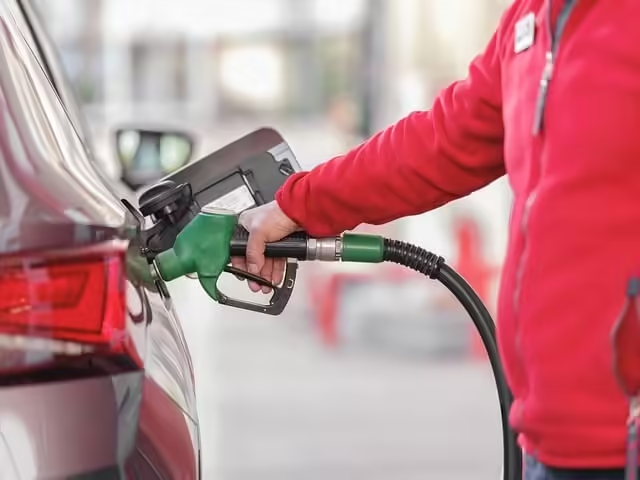

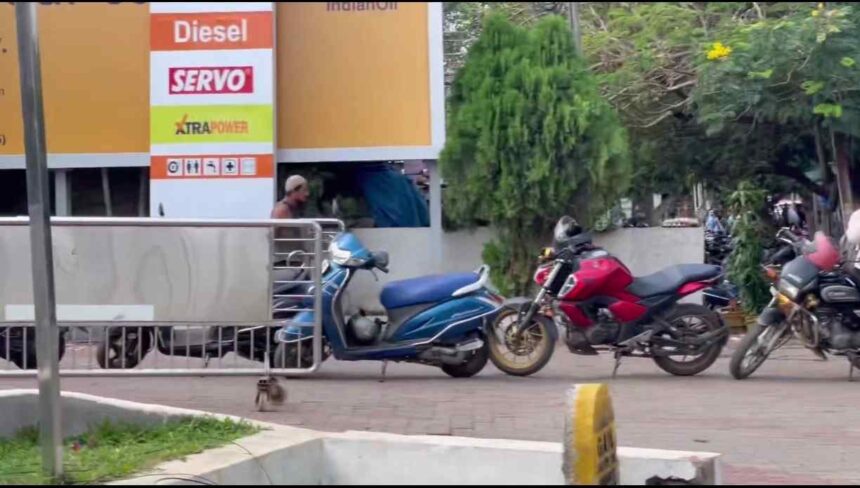
Petrol price hike has led to long queues at petrol pumps in Bhubaneswar, but the bigger issue may be panic buying. As rumours spread after fuel prices were raised by Rs 3 per litre, many people rushed to refill their tanks, creating artificial shortages and unnecessary chaos.
At several petrol pumps, long lines were seen from early morning. A closer look at the crowd showed that many people were not in urgent need of fuel. Still, once word spread that prices had gone up and supply could become difficult, more people rushed to refill their tanks. This is how panic buying begins, and this is how an artificial shortage is created.
How Petrol Price Hike Turned Rumours Into Rush
When people hear that fuel prices have increased, many react emotionally instead of practically. Even those who have enough petrol for a few more days decide to fill up immediately. As more vehicles line up, others assume something serious is happening. That creates even more panic.
This kind of behaviour can disturb normal fuel supply at the local level. A petrol pump may have enough stock for regular demand, but sudden crowd pressure can make the situation look worse than it really is. In cities like Bhubaneswar, rumours can travel fast, especially through social media and word of mouth.
The fresh panic comes after oil marketing companies increased petrol and diesel prices by Rs 3 per litre. According to reports, petrol in Delhi is now priced at Rs 97.77 per litre, while diesel has gone up to Rs 90.67. Fuel rates in other major cities have also moved higher.
Delhi: Petrol ₹97.77 | Diesel ₹90.67
Mumbai: Petrol ₹106.68 | Diesel ₹93.14
Kolkata: Petrol ₹108.74 | Diesel ₹95.13
Chennai: Petrol ₹103.67 | Diesel ₹95.25
Bhubaneswar: Petrol ₹104.19 | Diesel ₹95.74
The latest increase reflects rising global energy prices. Reports say state-run oil companies had kept fuel prices unchanged for about 11 weeks even as international crude oil became costlier. They reportedly passed on only part of the burden to consumers after their finances came under pressure.
Fuel prices in India had largely remained frozen since April 2022, except for a one-time cut of Rs 2 per litre in March 2024. That cut had offered temporary relief. But the recent rise in global crude prices, linked to tensions in West Asia, has again pushed the cost of fuel upward. India’s crude basket, which was around $69 per barrel in February before the conflict, reportedly climbed to around $113 to $114 per barrel in the following months.
The scene at petrol pumps in Bhubaneswar is a reminder that public reaction can sometimes worsen a manageable problem. If a person truly needs fuel, refilling makes sense. But if thousands of people rush only because of fear, the city ends up facing unnecessary stress, longer waiting times, and confusion.
The smarter response is simple: stay informed, avoid spreading unverified rumours, and refill only when needed. A price hike is real, but a shortage is not always real. Sometimes, the bigger problem is panic itself.