
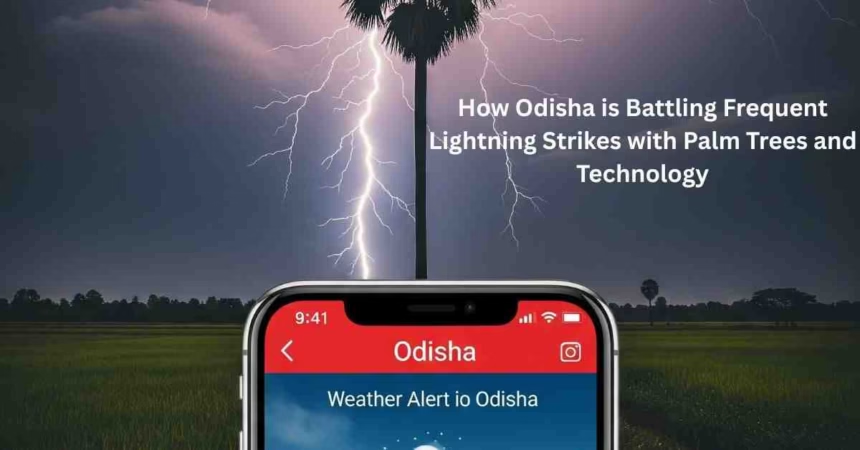
Odisha, a state on India’s eastern coast, faces a unique challenge: frequent lightning strikes. Every year, these powerful bolts of electricity cause loss of life and property, making them a serious concern. The state has even declared lightning strikes a public disaster. But why does Odisha see so many lightning strikes, and what is being done to tackle this issue? Let’s explore the causes, impacts, and an innovative solution involving palm trees.
Why Odisha Faces So Many Lightning Strikes
Odisha’s location near the Bay of Bengal plays a big role in its lightning strikes problem. The warm, humid air from the sea rises and forms large clouds called cumulonimbus. Inside these clouds, positive and negative electric charges separate, creating the perfect setup for lightning. When these charges connect with the ground, a lightning strike occurs. Odisha’s mineral-rich soil and varied landscape, with coastal plains and hills, make it easier for these strikes to happen. According to the India Meteorological Department, Odisha records about 1.2 million lightning strikes each year, one of the highest in India, leading to 400-500 deaths annually.
The Impact of Lightning Strikes in Odisha
Lightning strikes in Odisha are more than just a weather event—they’re a public safety crisis. These strikes damage homes, crops, and infrastructure, and sadly, many lives are lost. Farmers working in open fields and people in rural areas are especially at risk. The state government has recognized this by officially calling lightning strikes a disaster, which helps prioritize solutions and support for affected families.
Planting Palm Trees
To combat lightning strikes, Odisha has come up with a unique plan: planting over 1.9 million palm trees along its coastal areas. Palm trees are tall and have natural properties that attract and neutralize electrical charges, acting like natural lightning rods. When lightning hits a palm tree, the electric charge is safely guided into the ground, reducing harm to people and property nearby. This eco-friendly approach is backed by studies showing that tall, pointed vegetation can lower the impact of this strikes.
ALSO READ | Mandates Three-Month AI Training for Government Officials Odisha Takes Bold Step
Technology and Support for Communities
Along with palm trees, Odisha is using technology to protect its people. The state has launched a mobile app called “Satark,” which sends real-time weather alerts to warn people about incoming storms and lightning strikes. This helps residents, especially in rural areas, take shelter in time. The government also offers financial compensation to families affected by this strikes, though delays in delivering this aid can be a challenge.
Challenges
While the palm tree initiative and mobile app are promising, there are hurdles to overcome. Planting and maintaining millions of palm trees requires land, funding, and long-term care. In rural areas, not everyone has access to smartphones or the internet, making it hard for the “Satark” app to reach everyone. Raising awareness about lightning strikes and safety measures is also crucial to ensure these efforts work.
Odisha’s fight against lightning strikes shows how nature and technology can work together. By planting palm trees and using tools like the “Satark” app, the state is taking bold steps to protect its people. However, success depends on overcoming challenges like funding, accessibility, and community education.
By addressing lightning strikes in Odisha with innovative solutions, the state is setting an example for others facing similar challenges. With continued effort, Odisha hopes to reduce the devastating impact of this natural phenomenon and keep its people safe.