
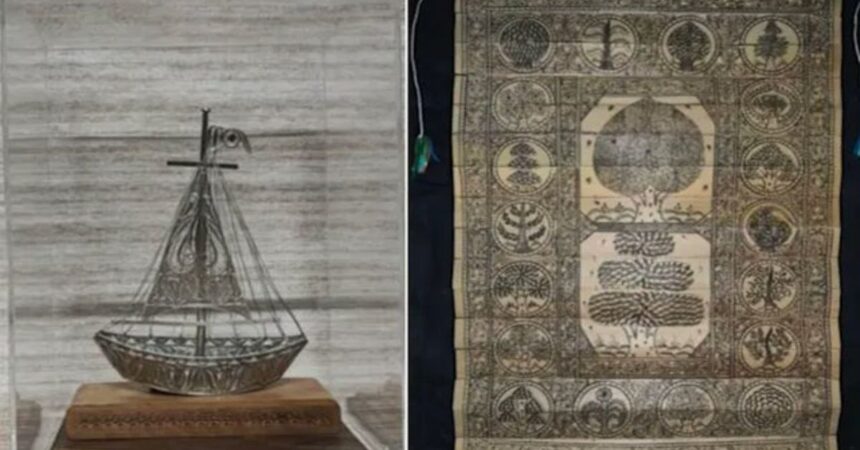
Tarakasi Silver Filigree Art just crossed oceans — quite literally. When Prime Minister Narendra Modi stepped into the royal halls of Norway, he carried with him not just diplomatic goodwill, but a breathtaking piece of India’s living heritage. A handcrafted silver sailboat, born from the gifted hands of artisans in Cuttack, Odisha, was presented to King Harald V of Norway — and in that single moment, a centuries-old Indian craft tradition stood proudly on the world stage.
What Is Tarakasi Silver Filigree Art and Why Is It So Special?
Tarakasi is one of India’s most ancient and painstaking craft traditions, originating from Cuttack, the silver city of Odisha. The word itself breaks down beautifully — “Tara” means wire, and “Kasi” means to work. In practice, it is the delicate art of twisting and weaving ultra-thin silver wires into intricate, lace-like patterns that seem almost too fragile to be real.
What makes Tarakasi truly extraordinary is its process. Skilled artisans — many from families who have practised this craft for generations — draw silver into hair-thin threads and then carefully bend, curl, and solder them into breathtaking designs. No molds. No machines. Just bare hands, steady eyes, and decades of mastery.
The results are stunning — from jewellery and decorative showpieces to religious figurines and miniature architectural replicas. Each piece can take days, sometimes weeks, to complete.
During Prime Minister Modi’s visit to Norway, he chose to gift King Harald V something deeply meaningful — a handcrafted silver sailboat made using Tarakasi art.
The choice was anything but accidental. A sailboat symbolises Norway’s deep maritime heritage and seafaring identity. At the same time, Odisha itself has a rich and proud maritime legacy, with ancient traders from the region — known as Sadhabas — famously sailing across the seas to Southeast Asia centuries ago.
In one elegant gift, PM Modi wove together the maritime histories of two nations, presented through the finest craft Odisha has to offer. It was diplomacy, culture, and artistry all rolled into one shimmering silver creation.
For the artisans of Cuttack, this is more than a diplomatic gesture — it is recognition that has been a long time coming. Tarakasi craftsmen have spent their lives perfecting an art that very few in the world can replicate. Yet, like many traditional crafts, it has often struggled for visibility beyond regional and national markets.
Seeing their work gifted to a European monarch, displayed in international news, and spoken about on a global platform is an enormous moment of pride. It validates their craft, their skill, and their sacrifices in keeping this centuries-old tradition alive.
PM Modi has consistently used state visits as an opportunity to showcase India’s diverse artisan traditions. From Pashmina shawls to Madhubani paintings, from Bidriware to Kondapalli toys — gifting authentic handcrafted items sends a powerful message: India’s strength lies not just in its economy or technology, but in its cultural depth and creative legacy.
For Tarakasi Silver Filigree Art, this global spotlight could translate into real benefits — increased demand, better market access, higher recognition under GI (Geographical Indication) protection, and most importantly, an incentive for younger generations to continue the craft.
The silver sailboat now rests in a Norwegian palace, but its journey tells a much bigger story. It speaks of artisans who wake up before dawn to work with silver threads. It speaks of a city — Cuttack — that has kept this tradition burning for hundreds of years. And it speaks of an India that is increasingly confident in presenting its roots to the rest of the world without apology.
Tarakasi Silver Filigree Art has always been world-class. The world is finally beginning to see it.