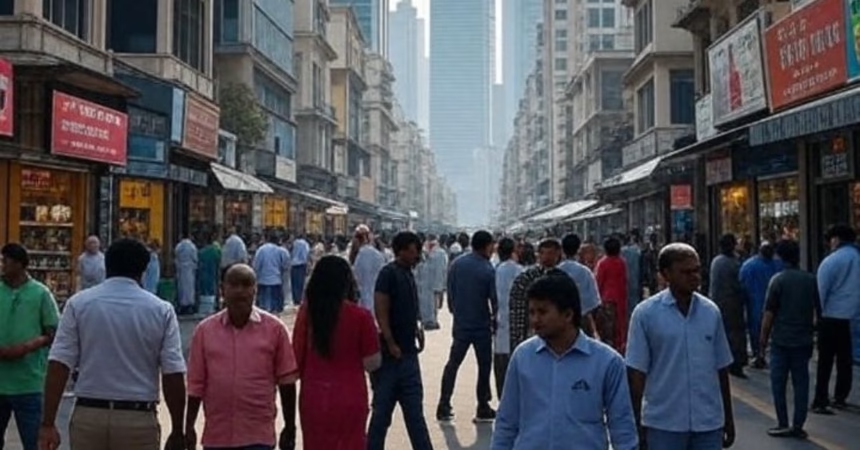
India is on the brink of a major digital leap. Soon, every physical location across the country—from crowded cities to remote villages—could have its own unique digital identity, called a “digi-pin.” This 10-character alphanumeric code, linked to precise geospatial coordinates, is set to change how we find and manage addresses forever.
The Problem with Old Addressing Systems
Right now, many addresses in India rely on landmarks—“near the red temple,” “opposite the big tree,” or “next to the blue hospital.” While these descriptions are familiar to locals, they cause confusion for delivery drivers, emergency responders, and government officials. Missed deliveries, delayed ambulances, and inefficient urban planning are common results.
How the Digi-Pin Will Work
The proposed digi-pin system will assign a unique digital ID to every address. Just like Aadhaar provides a digital identity for individuals and UPI powers digital payments, this new code will pinpoint any location with accuracy. Each digi-pin will be linked to real-world coordinates, making it easy to find any place on a map.
Benefits for Everyone
E-commerce: Faster, more accurate deliveries.
Emergency Services: Quicker response times.
Governance: Better planning and resource allocation.
Urban Development: Smarter city management.
Cost Savings: Less time and money wasted on missed deliveries and lost resources.
Fraud Prevention: Reduced risk of address-based fraud.
ALSO READ | India Economic Growth 2025: 6 Key Drivers and Challenges Shaping the Nation’s Future
Challenges and Concerns
While the digi-pin system promises many benefits, it also raises important questions about privacy and data security. With every address digitally mapped, there are worries about how this information will be protected and who will have access to it. India will need strong safeguards to prevent misuse and ensure public trust.
The digi-pin project is expected to roll out nationwide by 2026-27. If successful, it could set a global example for digital addressing and make life easier for millions of people.